Mild

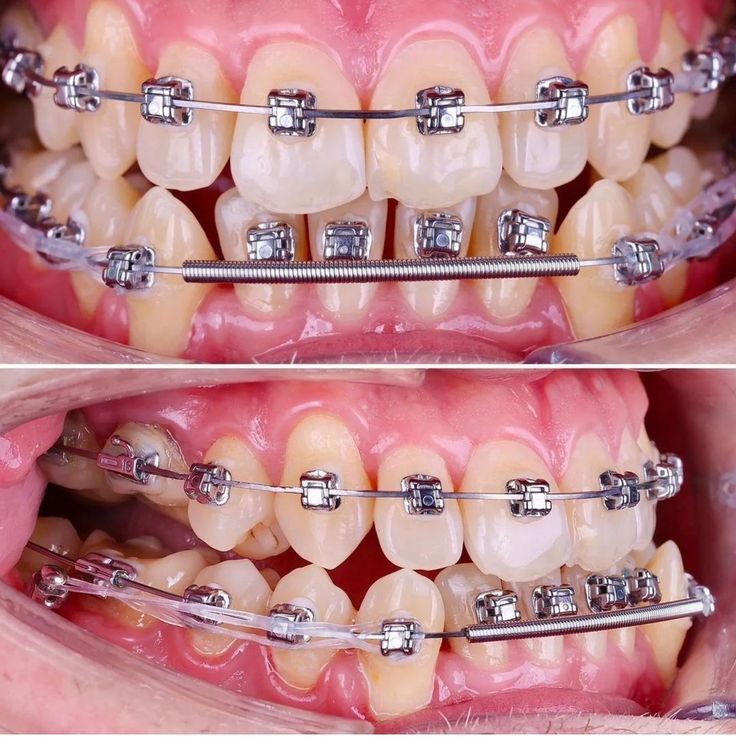
Lower anterior cervical roughness - likely calculus or non-carious wear; cleaning and possible restoration recommended

Severity: 

Quick clinical impression

  • The lower anterior teeth show rough, yellowish/cream areas at the cervical (gumline) region of several incisors.

  • Most likely causes (photo only — no probing/X-ray): tartar/calculus buildup with superficial stain, and/or non-carious cervical wear (abrasion/erosion) exposing dentine. The rough texture could be hardened calculus or eroded tooth surface.

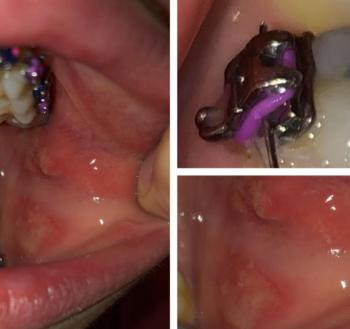
Occlusal fracture / caries - urgent assessment and temporary protection recommended

Severity: 
Teeth Problems: 

Quick clinical impression

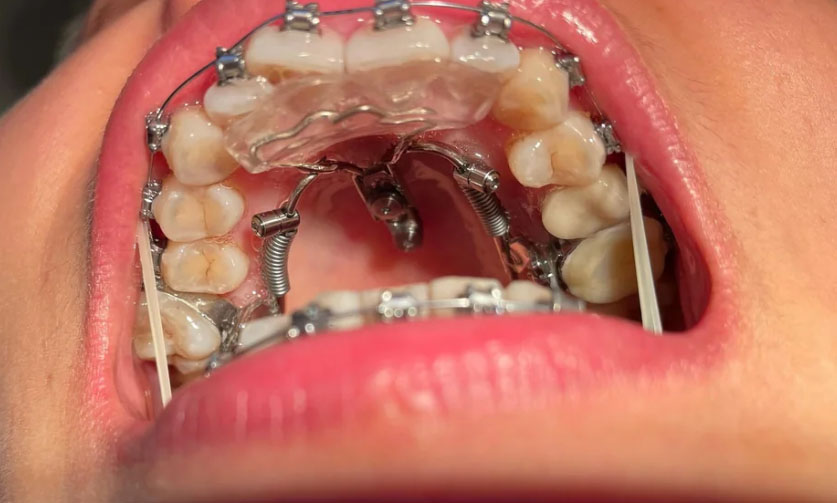
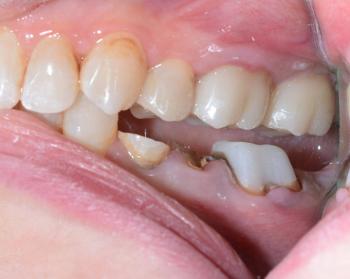
  • The picture shows occlusal breakdown / possible caries or fractured cusp on the last visible molar (upper right in the photo). The tooth surface looks cavitated and stained; one area looks like loss of enamel/restoration.

  • I don’t see obvious swelling or pus in the photo, and I can’t test percussion/mobility or pulp vitality from a photo — those are needed for definitive diagnosis.

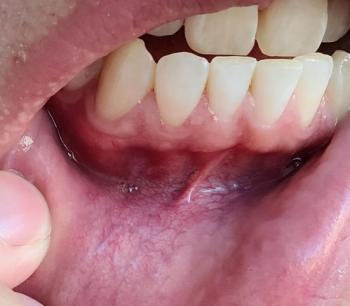
Lower central incisor recession - evaluation, prognosis and treatment options

Severity: 

Quick summary / impression

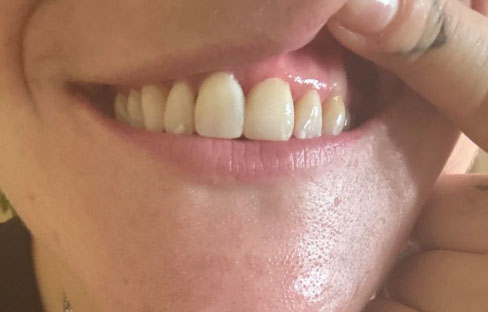
  • Photo shows localized gingival recession on the lower central incisor(s)** with visible root exposure** and inflammation of the adjacent gum.

  • One of the receded teeth feels slightly mobile when you wiggled it — this suggests loss of attachment and possible underlying bone loss around that tooth.

  • Overall: mild → moderate localized periodontal loss, but exact severity cannot be confirmed without clinical probing and an X-ray.

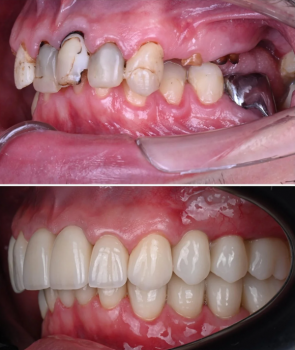
Severe Gumline Cavity and Tooth Discoloration Concern , Severe, Gumline, Cavity, Decay, Tooth, Discoloration, Yellowing, Exposed, Dentin, Treatment, Root, Canal, Crown, Dental, Emergency, Immediate, Appointment, Cebu, Philippines, General, Dentist

Severity: 
Teeth Problems: 

Immediate and Essential Disclaimer

You need to see a dentist as soon as possible. Only a dentist can properly diagnose the condition of your tooth, determine the extent of the damage, and recommend the correct treatment. Delaying professional treatment can lead to pain, infection, and potential tooth loss.

Pages